

For fans of The Crescent Moon Tearoom, Practical Magic and Legends & Lattes
Most of the fantasy we fall for is big: dark lords, dragons, a wizard with a staff, the fate of a kingdom settled in the final chapter. Cozy fantasy works on a smaller scale. Its magic rests on ordinary things: a pot of tea, a family recipe, a garden gone a little wild. Stacy Sivinski says her Quigley books are "grounded in places and experiences that readers will find familiar", and that's what she does so well. The truth-telling tea in The Crescent Moon Tearoom is still a pot of tea. The house that looks after the sisters is still a brick house off State Street, one of the few that survived the Great Fire.
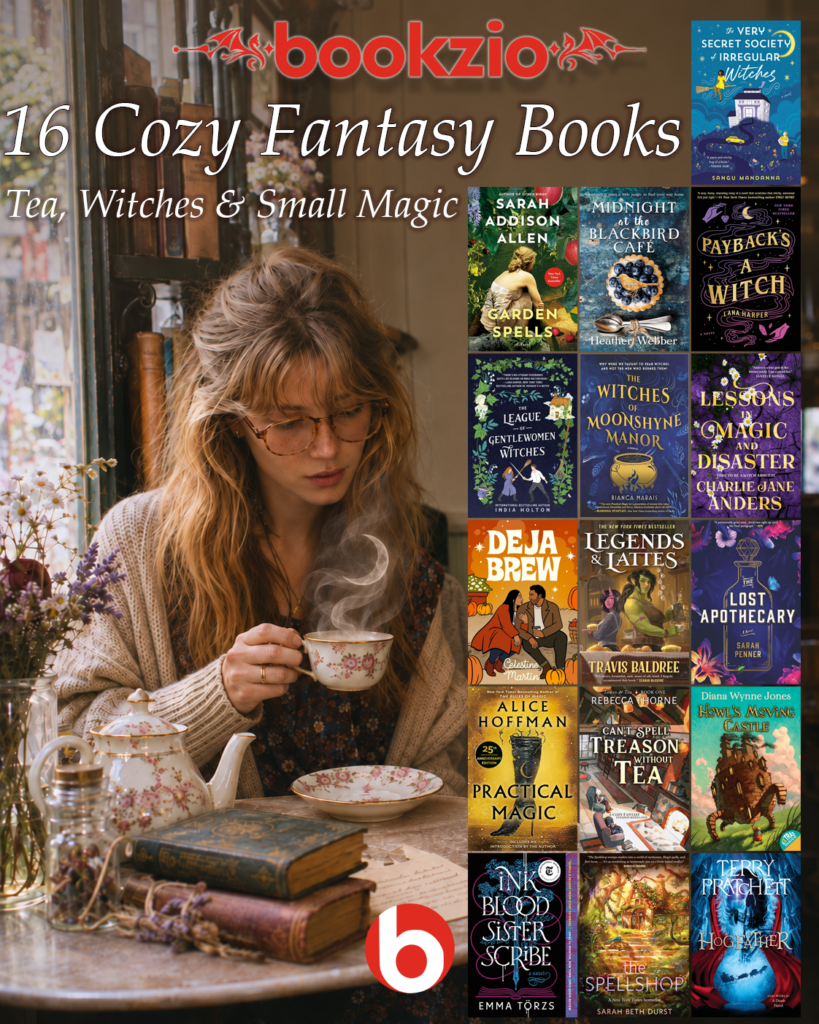
I wrote about her, her two Quigley novels and her new one, Where Moonflowers Bloom, in a separate piece. These are the books I’d hand you next: sixteen more where the magic lives in kitchens, shops, families and small towns.
I’ve started with the three Sivinski recommends herself, because an author’s own reading tells you a great deal about her. After that come the sisters and family businesses, then the shops and cafés where the magic is small and the tea is hot, and last, a few older books that all of this grew from. I’d make a pot of tea first.
Stacy Sivinski’s picks
When an interviewer asked Stacy Sivinski for more cozy witchy books, she named these three.
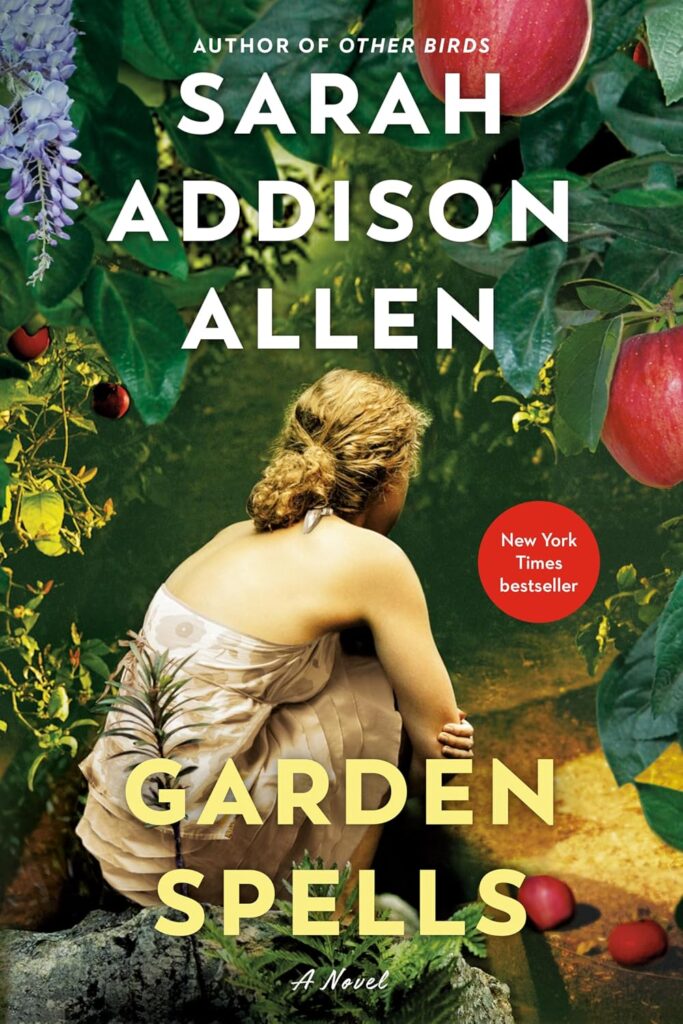
Garden Spells
Book 1 of 2: Waverly Family · 306 pages
The Waverleys have always been a little strange, and the town of Bascom, North Carolina, has always noticed. Claire Waverley runs a catering business out of the family house, cooking with flowers from the garden that each do something: nasturtiums help you keep a secret, snapdragons discourage an amorous neighbor. Her elderly cousin Evanelle hands people odd presents whose use only becomes clear later. In the back garden there's an apple tree that throws its apples at people, and you really don't want to eat one. Then Claire's sister Sydney comes home with her young daughter after ten years away, and the family has to work out how to be a family again.
This is the obvious first pick, and not only because Sivinski chose it. It's the book where enchanted food became a whole genre, and it has the same idea at its center as the Crescent Moon: magic that lives in a kitchen and works through the small things people eat and say. Every flower has its job, and Claire knows exactly what each one does, which is the kind of household expertise I love in a heroine.
It's short, around 300 pages, rated PG-13, and a standalone, though First Frost (2015) returns to the Waverleys ten years on. If your idea of bliss is two estranged sisters, one garden and a lot of very good food, you'll be very happy here.
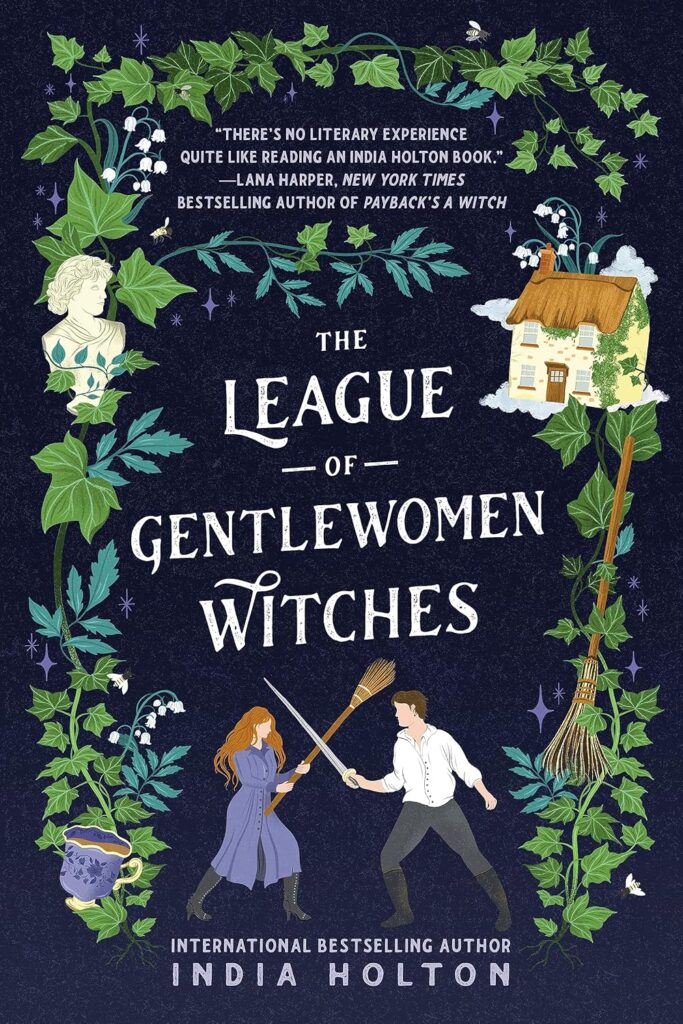
The League of Gentlewomen Witches
Book 2 of 3: Dangerous Damsels · 339 pages
Victorian England, if Victorian England had flying houses, lady pirates and a secret society of witches who believe very firmly in good manners. Charlotte Pettifer is a member of that society, the League of Gentlewomen Witches, and propriety matters to her a great deal. When a treasure everyone wants turns up, she has to get to it before anyone else does, and anyone else includes Alex O'Riley, a pirate who is charming, impossible and very annoyingly good at his job.
I regret to inform you that this book is extremely silly, and I loved every page of it. Holton writes comedy the way Wodehouse did, with sentences that take a sharp turn at the end, and the magic is played for laughs: witches who fly their homes about the countryside, sword fights over tea. It's here because it's the nearest thing on my list to the Quigleys' world. The ladies are respectable on the outside and doing something wildly unrespectable underneath, which is the whole Crescent Moon in one sentence.
It's rated PG-13, with a romance at the center that's more banter than heat. It's the second of the Dangerous Damsels books, after The Wisteria Society of Lady Scoundrels (2021), but you can start with either. If you need your fantasy to take itself seriously, this won't be your thing.

Deja Brew
Book 3 of 3: Elemental Love · 356 pages
Sirena Caraway used to be a celebrity chef, and she's having the strangest October of her life. After a midnight wish for a second chance, she finds herself living the same pumpkin-spice month over again in the witchy small town of Freya Grove. Then she meets Gus Dearworth, a former reality star who has moved to town to rebuild his reputation and mend a broken heart. When Sirena works out that Gus could help her fix her powers, he offers her a deal.
I'm putting a time loop on a cozy list, and I'm not sorry. I love a time loop, and half the fun is in how it works. What resets and what doesn't? What does she remember? Can anybody else tell? Martin has clearly thought it all through. And a month of October on repeat, in a town full of witches, is the most cozy-fantasy idea I've come across in a long time. Celestine Martin also blurbed The Crescent Moon Tearoom, so this is a mutual admiration society, and I'm glad to be in it.
It's about 370 pages and the third of the Elemental Love books, after Witchful Thinking (2022) and Kiss and Spell (2023). It's a romance first, so it's steamier than the Quigley books.
Sisters and the family business
The Quigleys inherited a house, a gift and each other. These families did too.
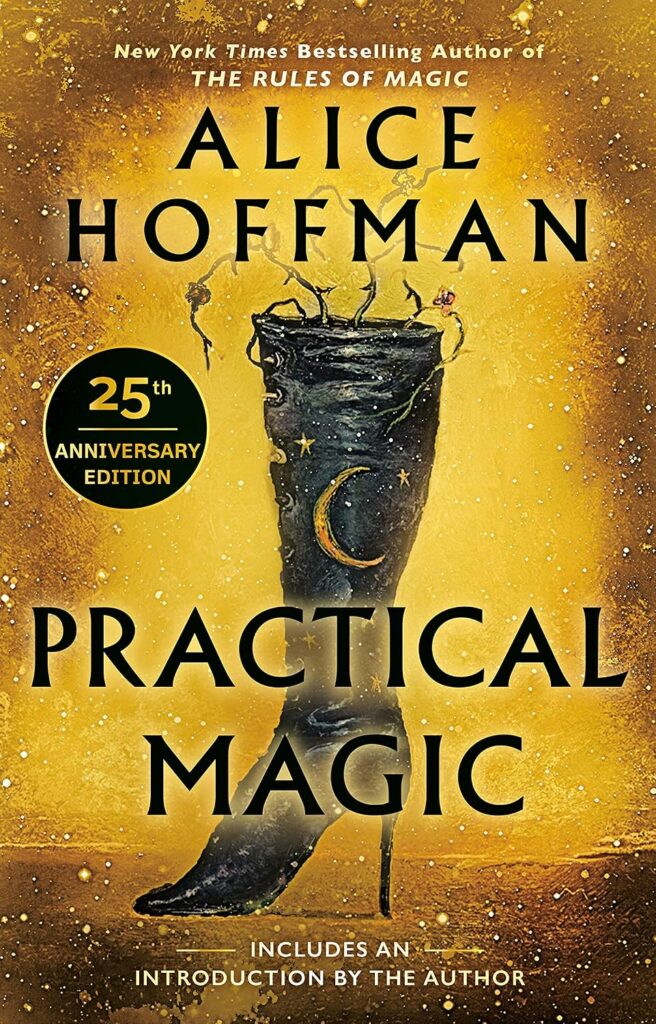
Practical Magic
Book 3 of 4: The Practical Magic · 290 pages
For more than two hundred years the Owens women have been blamed for everything that goes wrong in their Massachusetts town. Sally and Gillian grow up as outsiders, raised by two elderly aunts who don't do much to discourage the talk of witchcraft. All the girls want is to get away, one by marrying and the other by running. But the bond between them keeps bringing them back, and so does a family curse on the men Owens women love.
Sivinski pitched her own first book to anyone who has ever wanted to live in the Practical Magic house, so I'd be letting you down if I left it out. It's the grandmother of every witchy-sisters book on this page, and it does something I wish more of them did: it lets the magic be a burden as well as a gift. The aunts' remedies work. They also cost something, and Hoffman doesn't let anybody pretend otherwise.
It's not cozy all the way through. There are dark stretches, including a violent man and what the sisters have to do about him, and the heat is a firm PG-13. It's short, about 290 pages. The Rules of Magic (2017) is the prequel, about the aunts when they were young in 1960s New York, and it's lovely. Read the original first.
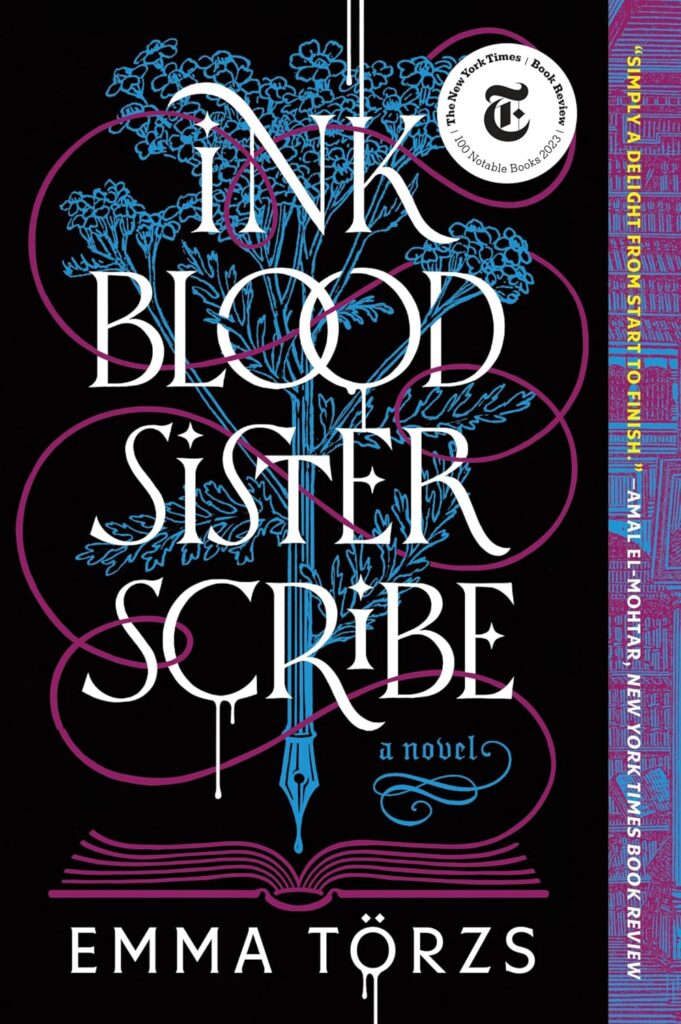
Ink Blood Sister Scribe
413 pages
The Kalotay family guards a library of magic books, and the books are dangerous. Each one is written in a scribe's blood. Joanna has stayed in the family's remote Vermont house her whole life, keeping the wards up. Her sister Esther left, and she has to move to a new place every year because of a rule nobody has fully explained to her. When their father dies, both sisters start to find out what the family has been hiding, and they discover there are other people who want those books very badly.
This is the least cozy book on my list, and I've put it here anyway, because it's the book that does the most with the idea under all of Sivinski's work: a family gift that ties sisters together and pulls them apart at the same time. The magic is costly and strange (books written in blood, a house that has to be guarded), and the family keeps its reasons to itself, even from its own daughters.
It's a standalone, PG-13, with a slow romance and a lot of family secrets. If you loved the Quigleys and want something with a few more teeth, try this one.
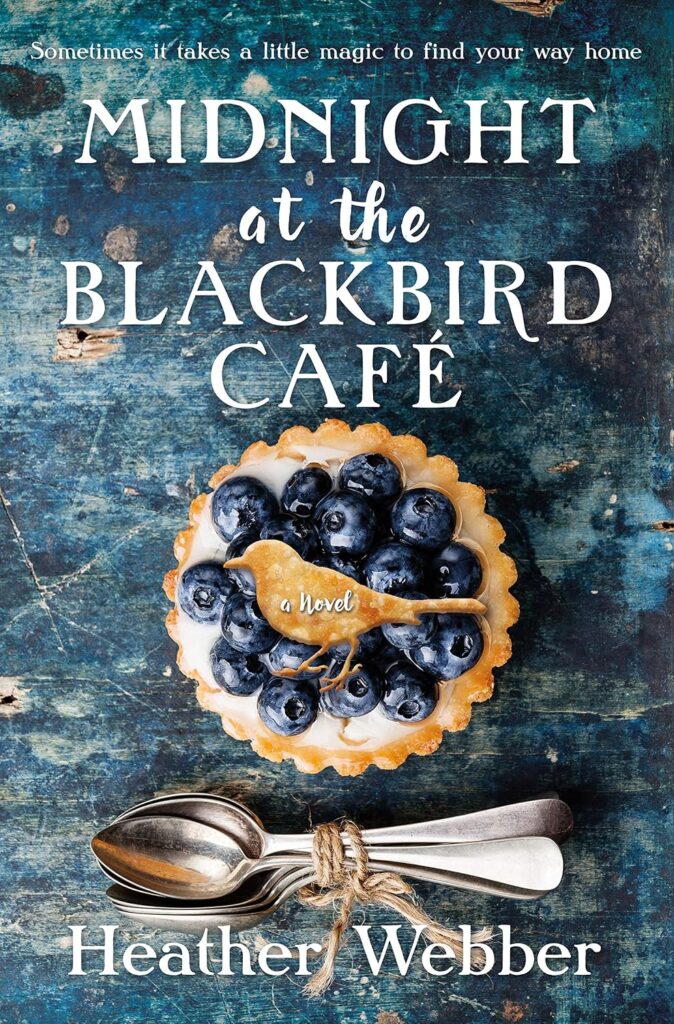
Midnight at the Blackbird Cafe
329 pages
Anna Kate has come back to Wicklow, a small town in the shadow of the Alabama mountains, to bury her beloved Granny Zee and close down the café she owned. It's supposed to be a quick trip. She has no interest in getting to know her father's side of the family, or the town her mother ran away from years ago. But everyone in Wicklow is talking about Granny Zee's blackbird pie, and what it does: eat a slice, and that night you dream of someone you've lost.
This is the closest thing on my list to the Crescent Moon's actual business model, food that comes with a message. And it uses that idea the way Sivinski does, gently, to help people say what they couldn't say before. The magic barely bends the world, which makes it a good pick for a reader who wants the warmth without much fantasy. I'd also like it noted that a pie which brings you dreams of the people you've lost is a better idea than most fantasy kingdoms I've visited.
It's a standalone, rated PG. If you want family secrets, grief handled kindly and a lot of baking, this is a very good evening.
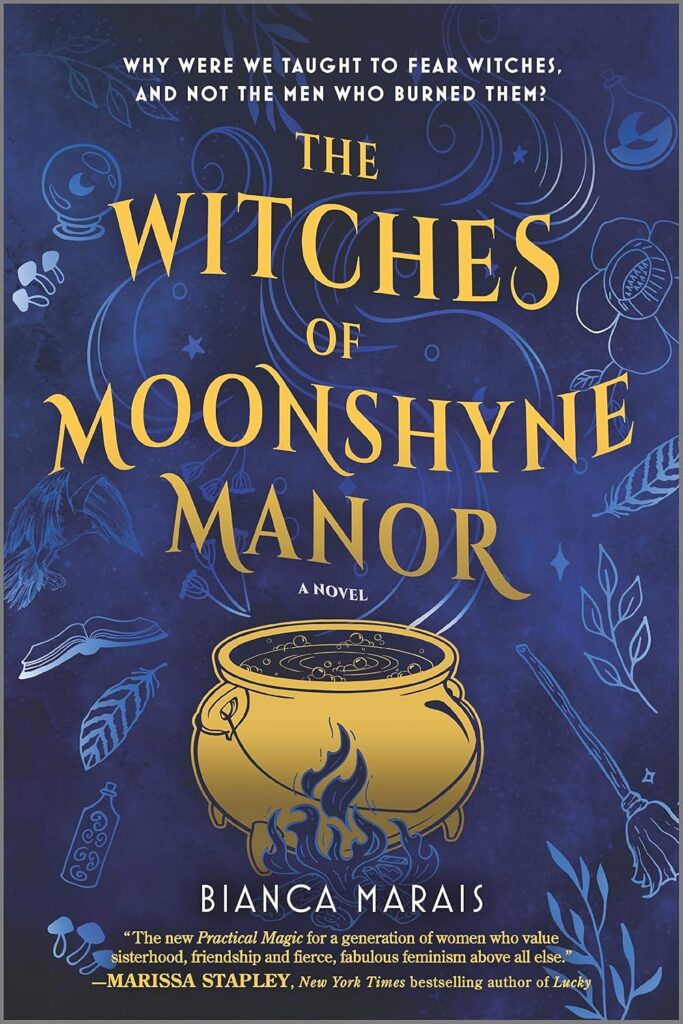
The Witches of Moonshyne Manor
394 pages
Five witches, most of them in their eighties, have lived together in Moonshyne Manor for decades. They're not sisters by blood, but they might as well be, and they've got the bickering to prove it. Now somebody wants them out of the manor, and the women of Moonshyne Manor have no intention of going quietly. Some of their magic is a little rusty. All of their grudges are in excellent working order.
Bianca Marais blurbed The Crescent Moon Tearoom, and her own book takes the sisterhood idea somewhere I didn't expect: to the end of a long life, rather than the start of one. I loved spending time with women who've been witches for sixty years and know exactly what their magic can and can't do. (They also know exactly what everyone else in town is like, which is a different kind of power.) It's here because it's the book that most reminded me of the Quigleys' older customers, the ones who come to the Crescent Moon on the last Thursday of the month.
It's a standalone, rated PG-13, and funnier than its cover. If your idea of bliss is a gang of elderly witches making trouble, you've found your book.
Shops, cafés and small magic
A coffee shop, two bookshops and a lot of tea. Small stakes, small magic, and very good baking.
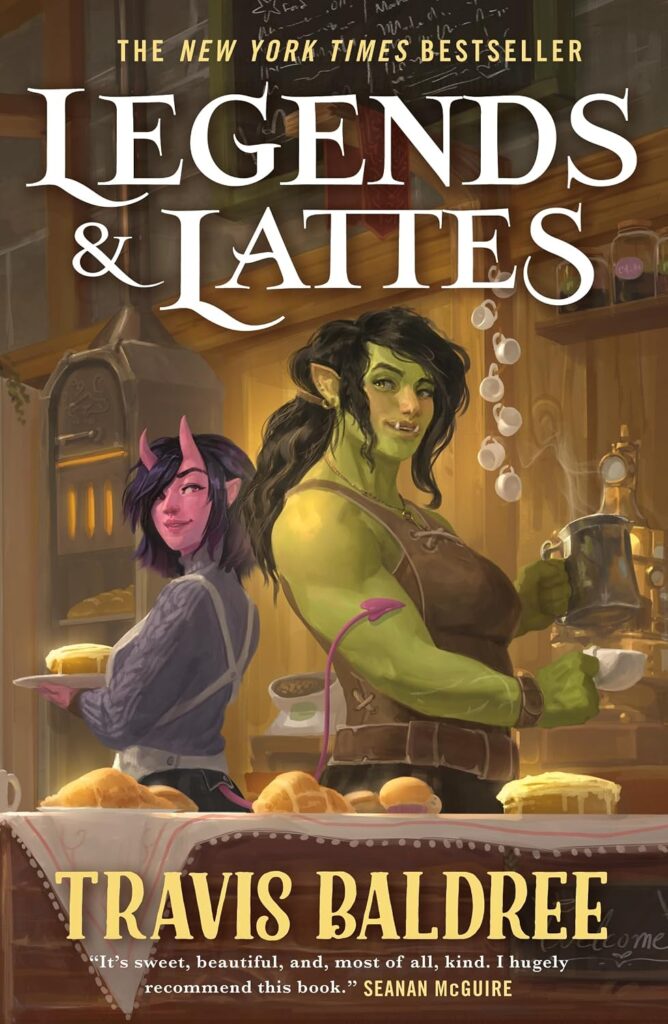
Legends & Lattes
Part of: Legends & Lattes · 296 pages
Viv is an orc barbarian, and after decades of swinging a sword, she's done. She cashes out with one final score, a legendary artifact and an unreasonable amount of hope, and she heads for the city of Thune to open the first coffee shop it has ever seen. Nobody in Thune knows what coffee is. Some of Viv's old acquaintances would like a word. And building something that lasts turns out to need partners, a baker, and a completely different kind of nerve.
This is the book that made a lot of readers realise 'cozy fantasy' was a thing they could ask for, and I adore it. It's on my list because it's the purest version of the shop story: a woman who has spent her life fighting decides to make something instead, and the book treats a good cinnamon roll as a victory worth having. Coffee is new to Thune, so people are suspicious of it. A legendary stone is supposed to bring luck, and you get to decide how much it actually does.
It's short, about 300 pages, rated PG, with a very slow, very sweet romance. Bookshops & Bonedust (2023) is the prequel. If you liked the Crescent Moon's kitchen, you'll like Viv's.
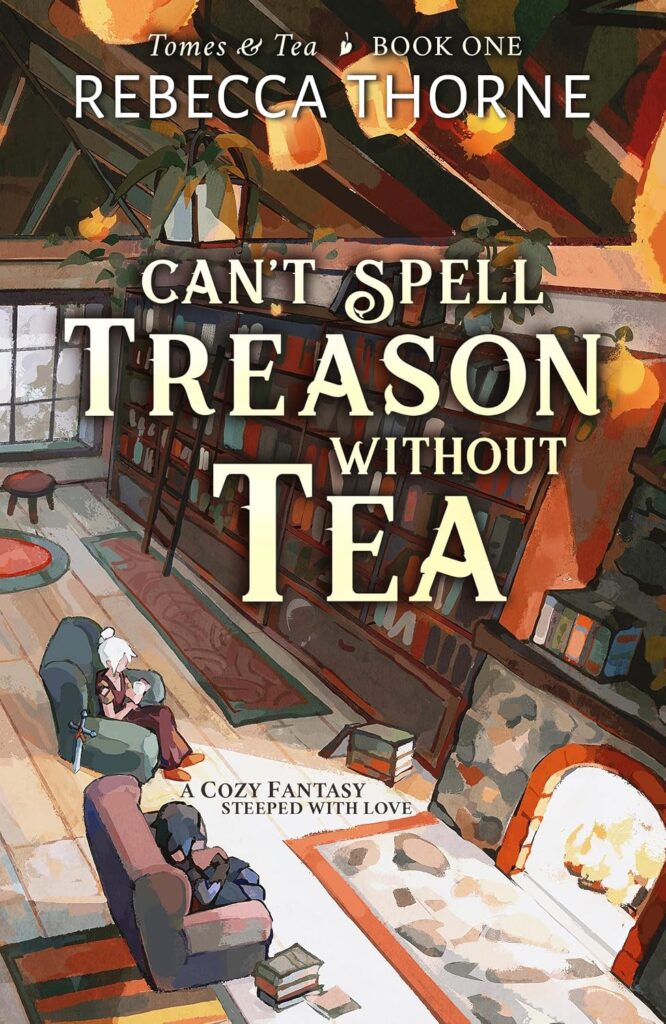
Can't Spell Treason Without Tea
Book 1 of 4: Tomes & Tea · 345 pages
Reyna and Kianthe have always wanted to open a bookshop together, with tea and cakes, plants on every table and firelight in the rafters. The problem is that Reyna is the elite bodyguard of a vengeful queen, and Kianthe is the most powerful mage alive, and neither of those is a job you can just quit. So they run away to Tawney, a town in the icy mountains of dragon country, and open the shop anyway. What follows involves dragons, mysteries, mishaps, and a queen throwing the biggest tantrum the realm has ever seen.
It's on my list because it's two women, a shop and a lot of tea, which is the Crescent Moon with dragons. I picked it over a dozen other bookshop fantasies because it actually remembers what its heroines used to do for a living. Reyna still thinks like a bodyguard, Kianthe is still terrifyingly powerful, and the cozy life they want has to be defended, which gives the book more spine than the cover suggests.
It's the first of the Tomes & Tea books. The romance is between two women who are already together, so it's sweet rather than steamy: PG-13.
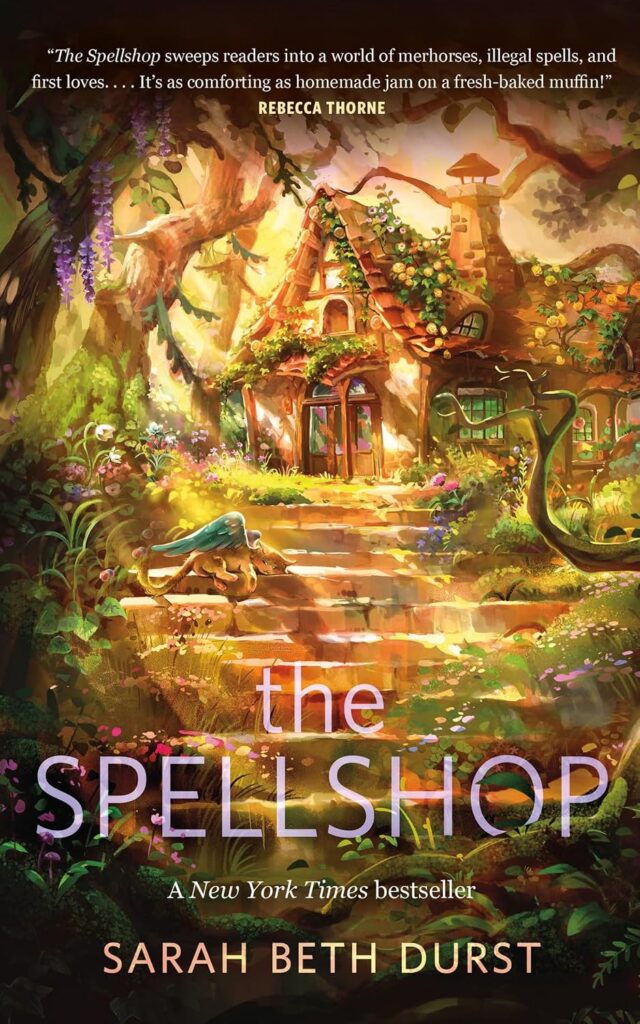
The Spellshop
Book 1 of 4: The Spellshop · 391 pages
Kiela has always had trouble with people. As a librarian at the Great Library of Alyssium, she hasn't had to deal with them much. For eleven years she and her assistant, Caz, who is a magically sentient spider plant, have looked after the empire's most precious spellbooks. Then a revolution begins, the library burns, and Kiela grabs as many books as she can carry and flees to the island where she grew up. Her parents' cottage is overgrown, the town is falling apart, the neighbor is nosy and very handsome, and the books she saved are illegal.
Sarah Beth Durst blurbed Where Moonflowers Bloom, and you can see why the two of them get along. Both books are about a magic that's fading and someone who quietly decides to keep it going, and both involve a great deal of gardening. What I enjoyed most is that Kiela's magic has a cost she understands: unlicensed spells are a crime, so every jar of enchanted jam she sells is a risk. (Caz, meanwhile, is the best supporting character on this page, and he's a houseplant.)
It's rated PG, and Durst has since returned to the same world. If you want your cozy fantasy with an introvert at the center, start here.
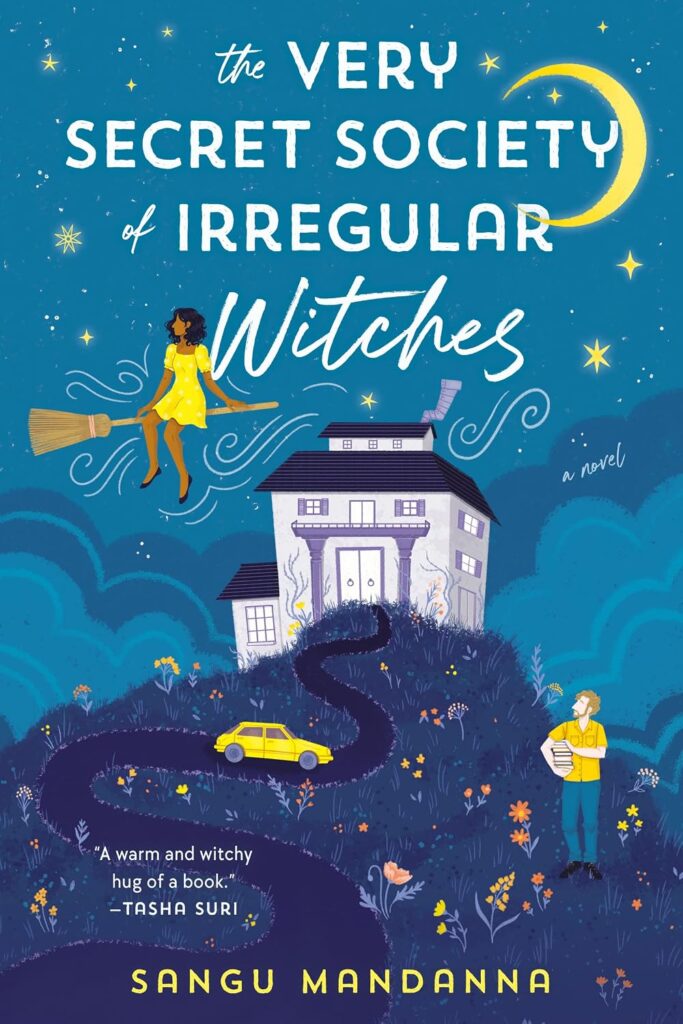
The Very Secret Society of Irregular Witches: A romantic cozy fantasy
334 pages
Mika Moon knows the rule: witches must stay hidden, and they must stay apart, because witches who gather draw attention. So she lives alone, moves often, and posts videos online pretending to be a witch, which is the safest place to hide that she really is one. Then a message arrives asking her to come to a remote house called Nowhere House and teach three young witches how to use their magic. The adults there have their reasons for asking, and one of them is a very grumpy librarian named Jamie.
Library Journal recommended Sivinski's second book for fans of Sangu Mandanna, and I agree with them. Both write about women who have been alone too long and learn what it means to belong somewhere. This one is on my list because of how it builds its found family: Mika has spent her whole life keeping away from other witches, and the book takes its time letting her stop.
It's a standalone, with a grumpy-sunshine romance that turns up the heat late on, so call it a soft R.
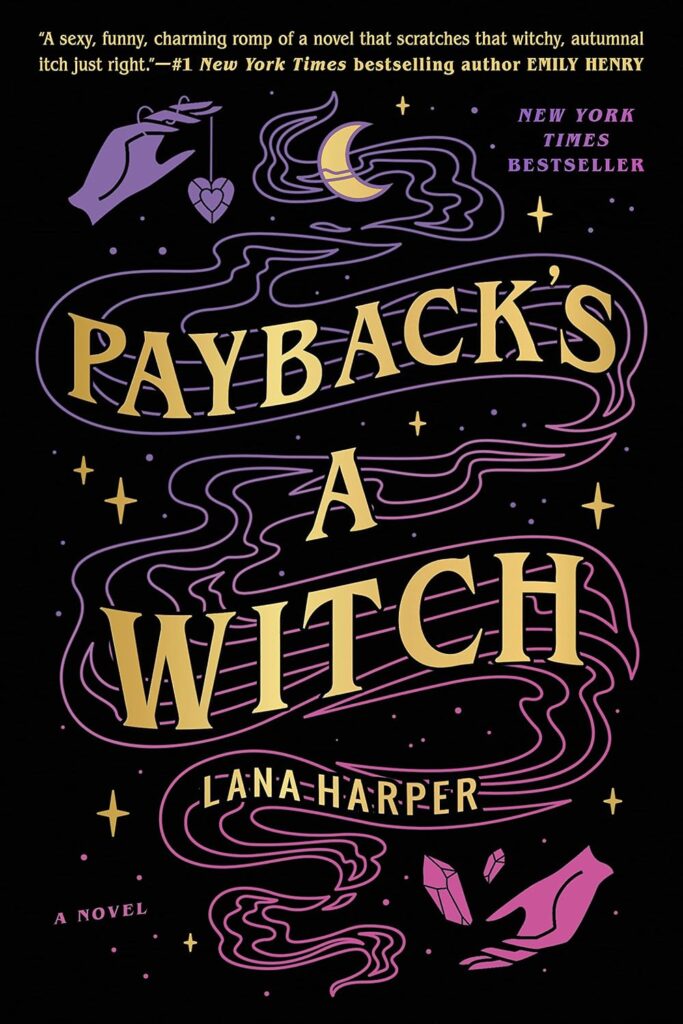
Payback's a Witch
Book 1 of 5: The Witches of Thistle Grove · 348 pages
Emmy Harlow is a witch, but not a powerful one, partly because she hasn't been home to the magical town of Thistle Grove in years. That has a lot to do with family history and a little to do with Gareth Blackmoore, heir to the town's most powerful family and a breaker of hearts. But a spellcasting tournament is coming, Emmy's family is supposed to judge it, and the guilt is strong enough to drag her home. There she teams up with Talia Avramov, whom Gareth has also wronged, and they decide to get even.
Lana Harper blurbed both Quigley books, and her Thistle Grove is the small-town cousin of the Quigleys' Chicago: a place where magical families keep their own traditions and hide them from the tourists. I picked it because the tournament gives a revenge comedy a stage, with the whole town watching and old family loyalties in the way. It's also the most openly romantic book here.
It's the first of the Witches of Thistle Grove books, each following a new couple. The romance is between two women, Emmy and Talia, and it's steamy, a firm R.
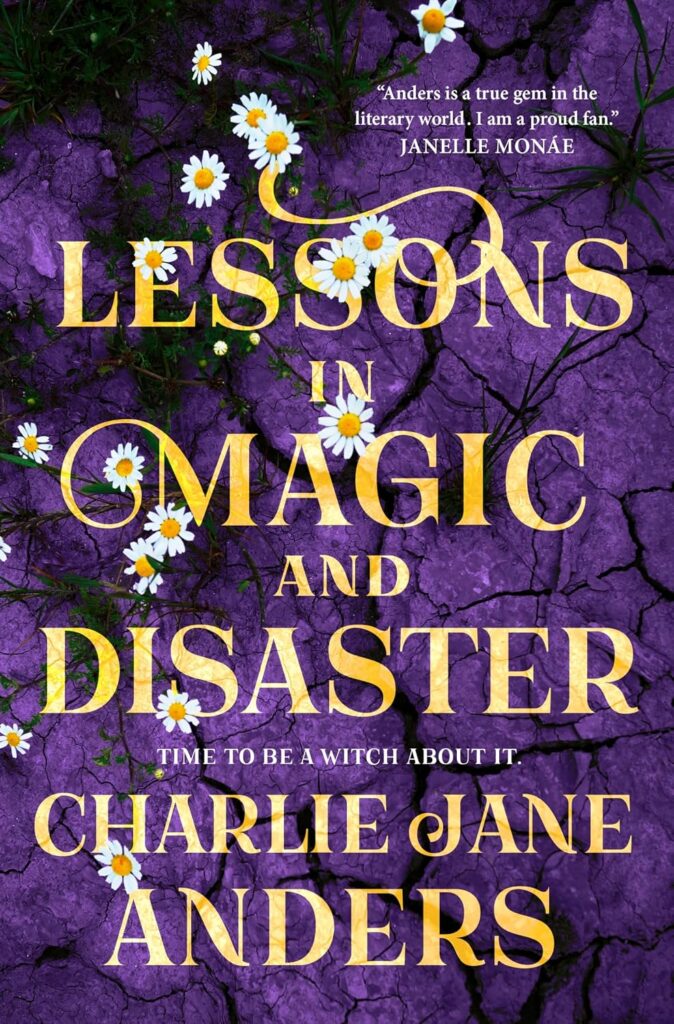
Lessons in Magic and Disaster
315 pages
Jamie is a graduate student who has kept her witchcraft secret, practicing it in abandoned places where nobody will see. Then she decides to teach magic to her mother, and that goes about as well as the title suggests. It's a book about a mother and daughter, about grief and academia, and about what happens when you let someone you love into the one part of your life that's only yours.
This is the most literary book on my list, and I've put it here because it's the closest match to Sivinski's own background. She's a scholar of 19th-century women's writing, and Anders's Jamie lives in the same academic world, using what she studies to work out who she is. The magic is small and personal and very particular about place, the kind of witchcraft where the rules are written by the person doing it. I loved it, and I underlined half of it.
It's a standalone, rated PG-13. It's queer, it's thoughtful, and it moves slowly. If you want plot over feelings, this won't be your thing. If you've ever had a hard conversation with a parent over a pot of tea, it will.
Older magic
A few of the books that the rest of these grew out of.
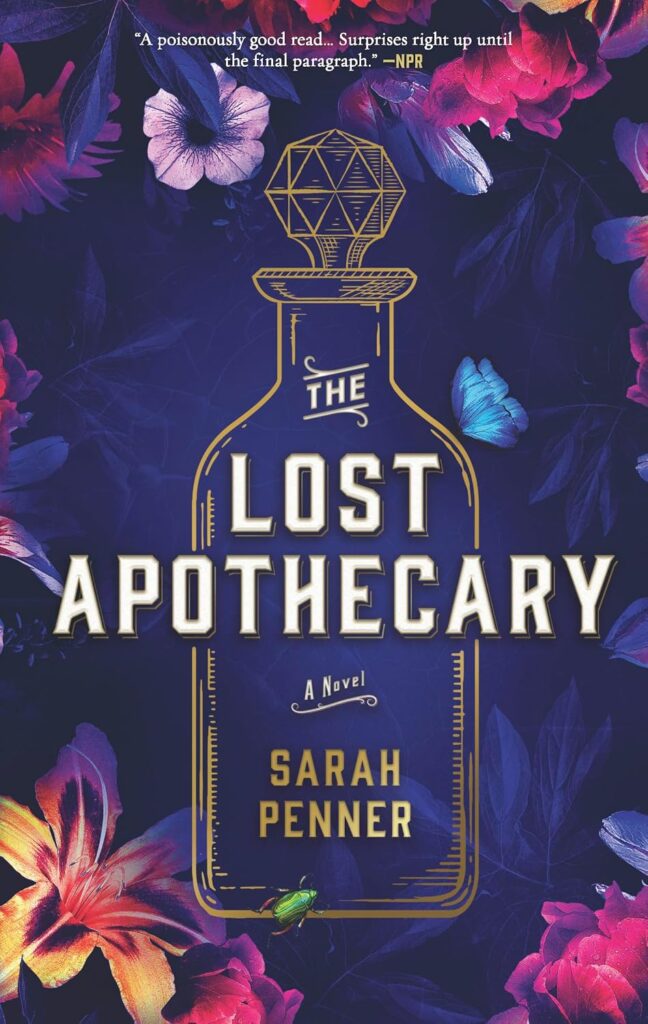
The Lost Apothecary
306 pages
Somewhere in 18th-century London, hidden down an alley, is an apothecary shop that serves an unusual clientele. Women whisper about a woman named Nella, who sells well-disguised poisons to use against the men who have wronged them. Then her newest customer, a twelve-year-old girl named Eliza, makes a mistake. Two hundred years later, Caroline Parcewell, an aspiring historian spending her tenth wedding anniversary alone in London, finds a clue to the old apothecary murders.
Sarah Penner blurbed The Crescent Moon Tearoom, and her book is darker than the rest of my list, so be warned. But it's the other side of the Quigleys' coin: a shop run by women, for women, with a secret service under the counter. The Crescent Moon sells futures. Nella sells endings. I picked it because it's the best book I know about how women used shops and recipes to get power in a world that wouldn't give them any.
It's a standalone, rated PG-13, with murders but not much gore. It's historical fiction more than fantasy; the magic is in the recipes. If you want your cozy with a bit of poison in it, here you go.
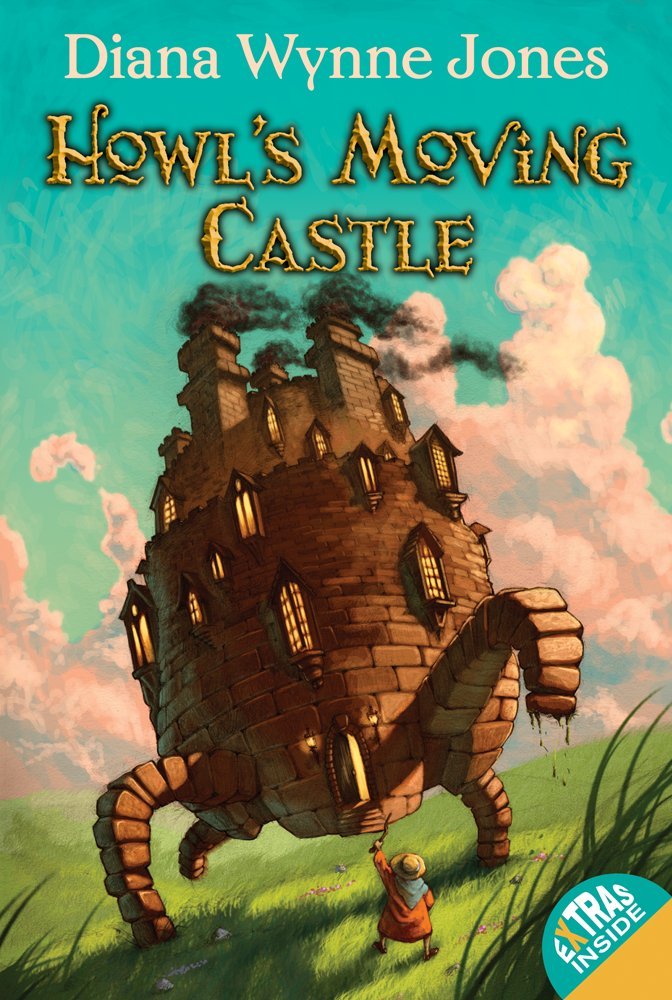
Howl's Moving Castle: A Spellbinding Fantasy Adventure of Magic, Curses, and a Moving Castle
Book 1 of 3: Howl's Castle · 308 pages
Sophie is the eldest of three sisters, which in fairy-tale terms means she's doomed to fail first, so she has settled into working in the family hat shop. Then she offends the Witch of the Waste, who turns her into an old woman. Sophie leaves home and finds her way to the moving castle of the Wizard Howl, who is rumored to eat young women's hearts. Fortunately, she's no longer a young woman. She moves in, makes a deal with Howl's fire demon, Calcifer, and starts cleaning.
Sivinski says this is the book she can't stop thinking about, and I'm right there with her. It's the cozy fantasy grandmother: a woman, a house that's alive, a lot of housework, and a magic system that is mostly about words and what you say to things. Sophie talks to the hats she trims, and they do what she tells them, long before she realizes she's magic. If you've wondered where the Quigleys' house got its personality, it's here.
It's short and rated PG. It's shelved as middle grade, and it's funnier and sharper than almost anything written for adults. Castle in the Air (1990) is the companion.
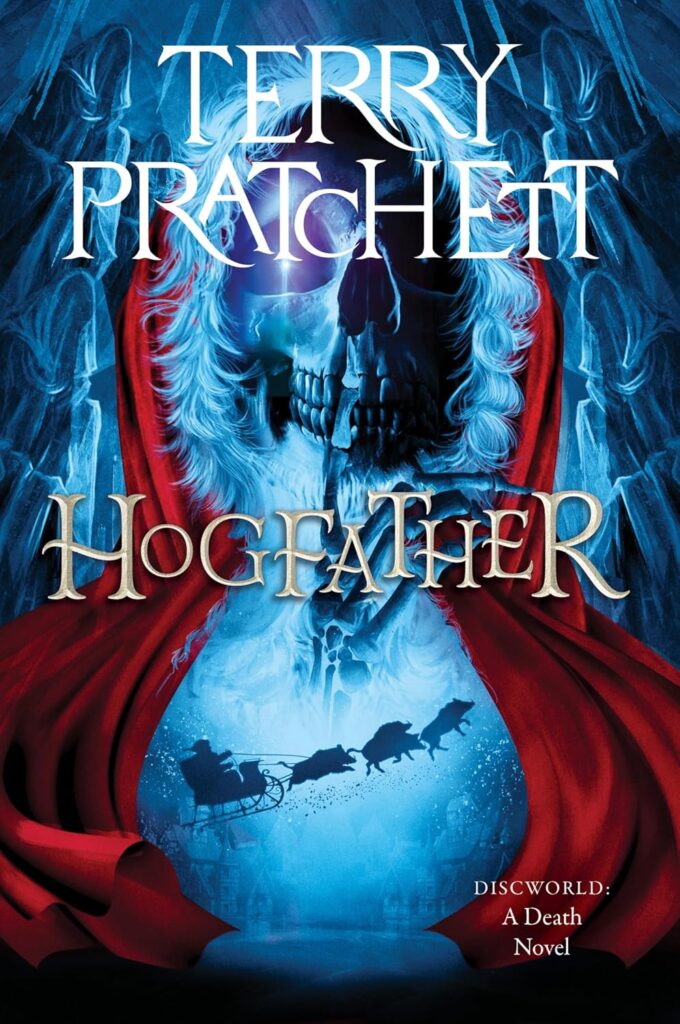
Hogfather
Book 20 of 41: Discworld · 384 pages
It's Hogswatchnight on the Discworld, and the Hogfather, the jolly red-suited gift-bringer, has vanished. Someone has hired the Assassins' Guild to get rid of him, and the man who took the job is a particularly unsettling young assassin called Teatime. Somebody has to deliver the presents, so Death himself takes over the sleigh, while his very sensible granddaughter, Susan, tries to work out where the Hogfather went and why.
I gave this one my highest grade, and it's on a cozy list because it's a book about why people need stories, which is also what Where Moonflowers Bloom is about. Pratchett asks what would happen if a world stopped believing in its small magics, and the answer is so funny and so serious at the same time that I still think about it every December. (My husband, Marcus, rewatches the TV adaptation every Christmas.)
It's the twentieth Discworld novel, but you can start here. It's rated PG, for an assassin with very creepy eyes.
Over to you
These are the sixteen I’d hand to anyone who loved the Quigley sisters.
Which one would you add? And which of these do you most want to live inside? I’d take the Waverley garden.
Featured image and all illustrations by Phil · designbyphil.com · Book covers © their publishers