

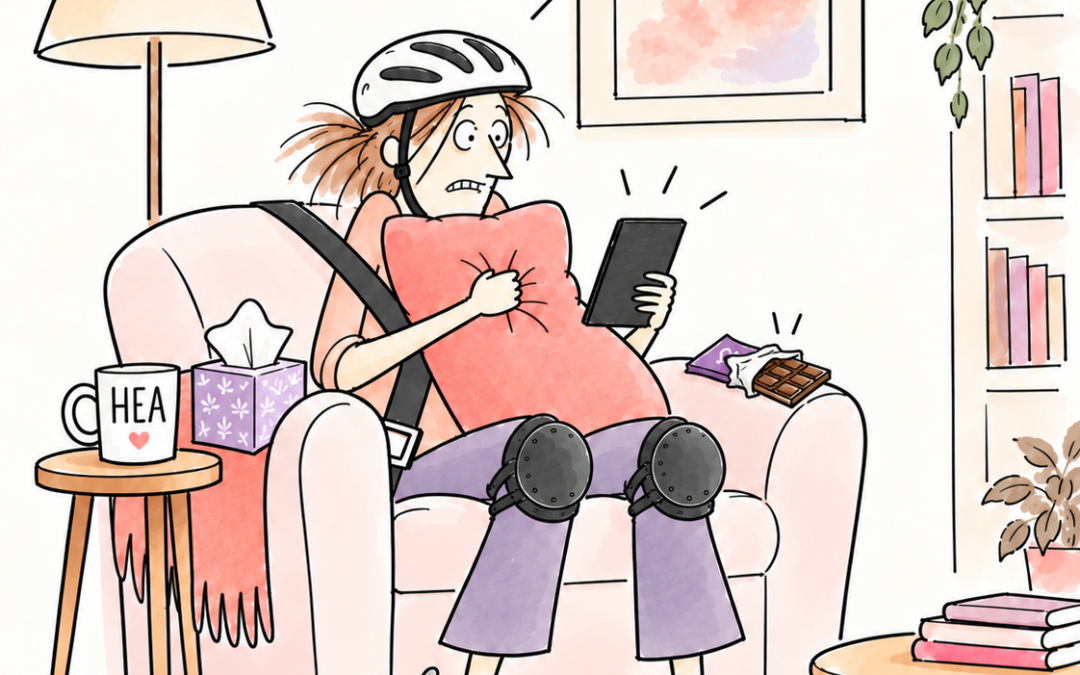
Readers can see a romance breakup coming from the percentage on their e-reader. Some authors have started advertising that their books don’t have one. What happened?
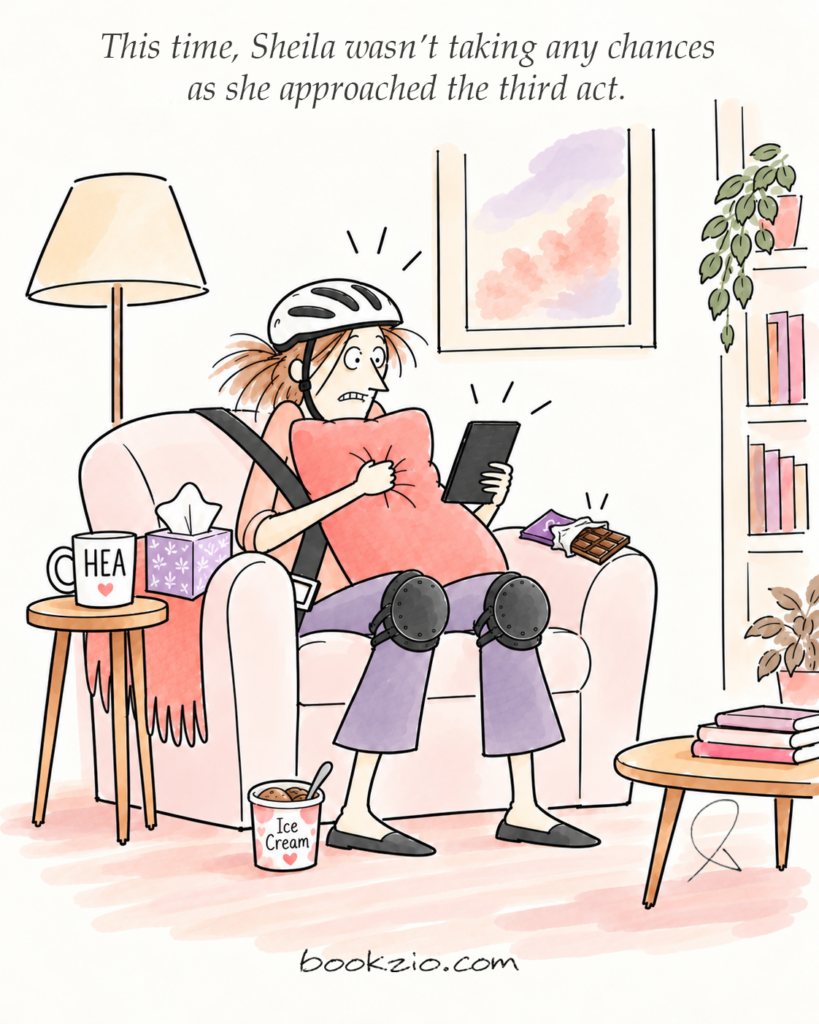
Here's a pattern I keep running into. A reader is happily three-quarters of the way through a romance, the couple are finally together, everybody's glowing, and she checks the little percentage at the bottom of her e-reader and thinks: oh no. It's time.
And she’s right. Somewhere around the three-quarter mark, the couple break up.
Why it’s there
The breakup has a job. Craft books call it the black moment, the point where everything seems lost, and it’s been part of how stories are built for a very long time. Romance puts that moment in the relationship, because the relationship is the story. It’s structure, and when it’s done well, it’s why the ending feels earned.
The trouble is what happens when every reader knows the structure. If you can see it coming from the percentage at the bottom of the screen, it stops surprising anyone.
The part I find fascinating
On r/Romantasy last year, in a thread about why so many romantasy books lean on miscommunication and third-act breakups, one reader mentioned something I hadn’t noticed: authors putting ‘no third-act breakup’ in their content warnings and blurbs.
So the absence of a plot point is now a selling point.
I think that says a lot about how romance readers shop now. We pick books by trope the way we pick snacks by flavour, and authors have worked out that telling us what’s NOT in the bag is as useful as telling us what is. It’s the same impulse as the HEA guarantee, the promise that it’ll end happily, which romance readers have always counted on. Now there’s a second promise underneath it: it’ll end happily, and nobody will dump anybody on the way there.
(I also love that it’s filed next to the actual content warnings. Somewhere between the violence and the on-page death, there it sits: ‘mild peril, no breakup’.)
How we started counting
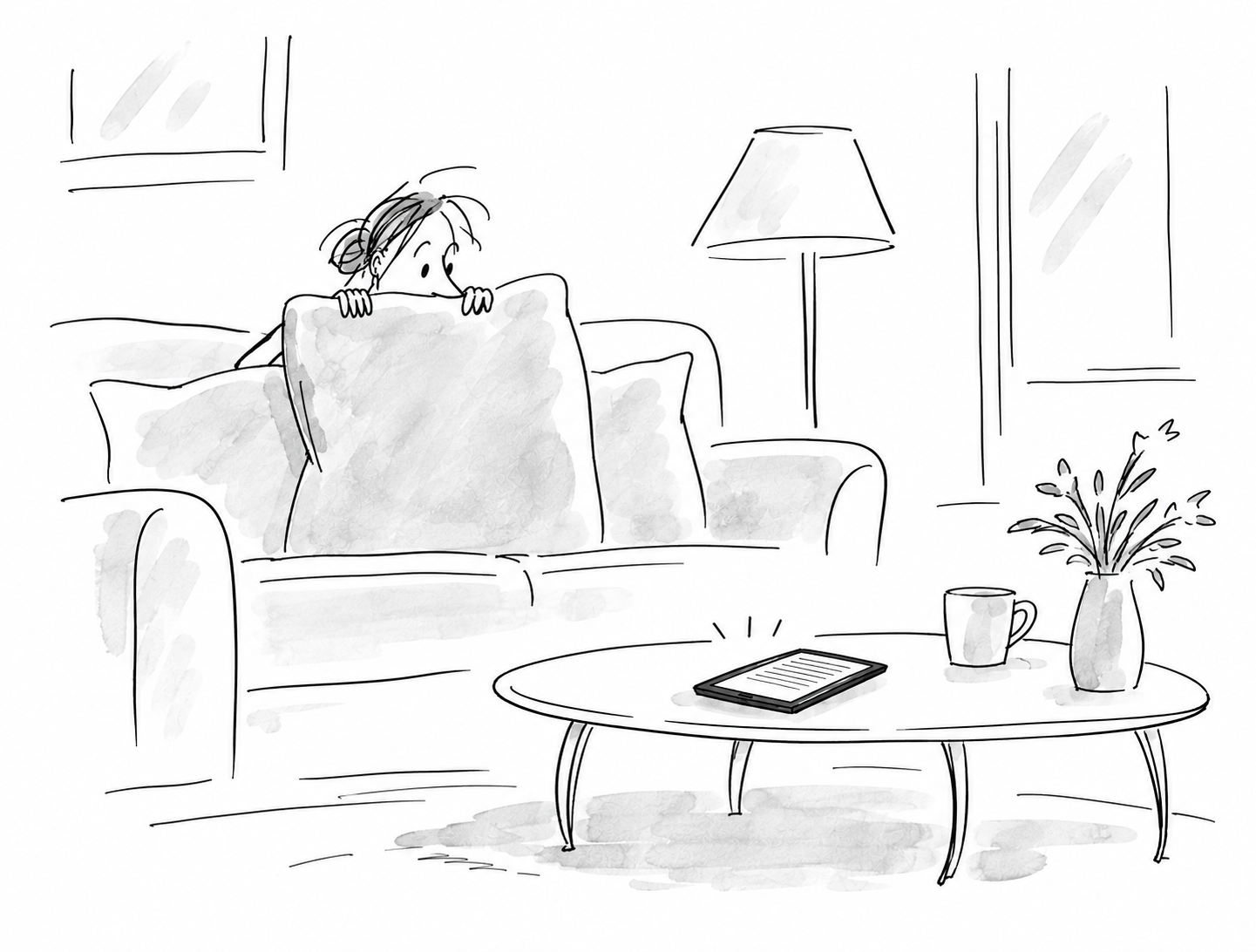
It’s worth saying how strange this is, historically. A paperback reader always had a rough idea how far through she was, from the thickness of the pages left in her right hand. But you’d have to be quite a determined reader to know you were at seventy-eight per cent.
E-readers changed that. The percentage sits at the bottom of every page, quietly, and once you’ve noticed that the breakup tends to arrive at about the same number, you can’t stop noticing. Print readers have their own version: forty pages left, everybody’s happy, and you start to feel uneasy. Too happy. Too early.
I don’t think authors planned for readers to be able to time the plot like a train. But once readers can, the structure stops being invisible.
What readers do about it
From what I’ve read, readers have three strategies, and I recognise all of them.
They brace. They see the number, they know it’s coming, and they read through it, the way you’d read through a sad bit you’ve been warned about. Plenty of readers in the miscommunication threads said they actually enjoy this, because the breakup makes the reunion feel bigger.
They avoid it. One reader on r/Romantasy said she now looks for cosy romance on purpose, because she doesn’t want the stress. That’s where the ‘no third-act breakup’ labels come in: authors meeting those readers halfway.
They defend it. Another reader in the same thread pointed out that the all-is-lost moment is a classic structure, and it’s classic because it works. It just doesn’t always work in the way the author hoped.
Who wants what
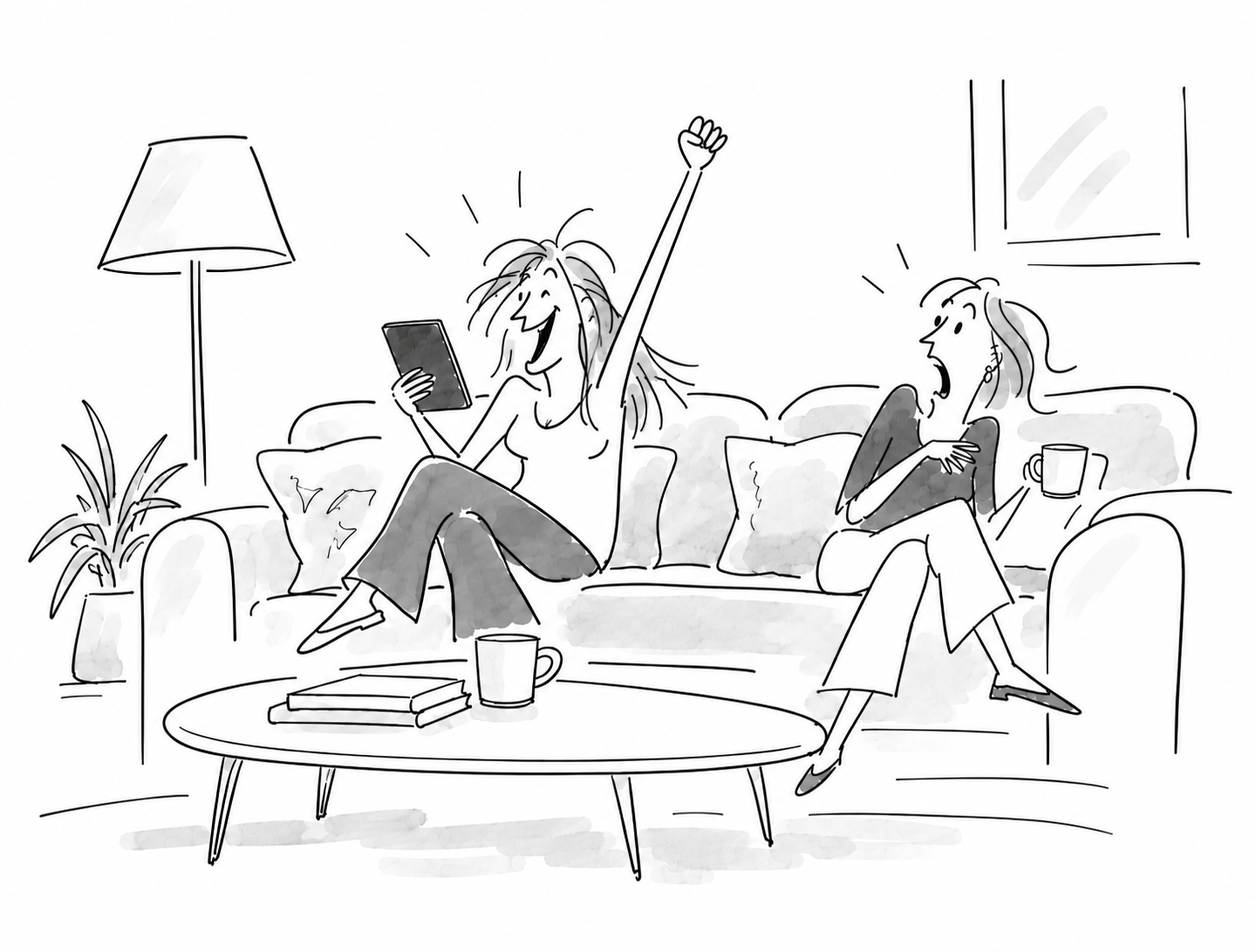
Not everybody’s relieved. Over on r/RomanceBooks there are whole threads of readers who love a third-act breakup, the angst, the fallout, the grovel. My colleague Jenna is one of them, and she’s written a whole defence of mess. My colleague Emily has a theory about when a breakup earns its place and when it’s just two people who won’t talk.
Here’s my working, all in one place:
1. The breakup is structural, and it was never the problem.
2. Knowing it’s coming is the problem, because then nothing about it surprises you.
3. Readers have responded by shopping around it, and authors have responded by labelling.
The question I can’t answer is what happens to the black moment in books that promise not to have one. Does the conflict move somewhere else? Does it vanish? Or is that the point?
Over to you
Do you check the percentage and brace yourself? Have you ever bought a book because the blurb said ‘no third-act breakup’? And which breakup surprised you, actually surprised you, even though you knew it was coming?
Featured image and all illustrations by Phil · designbyphil.com · Book covers © their publishers