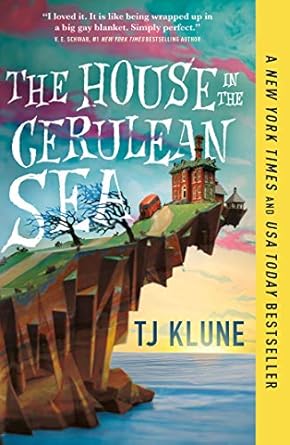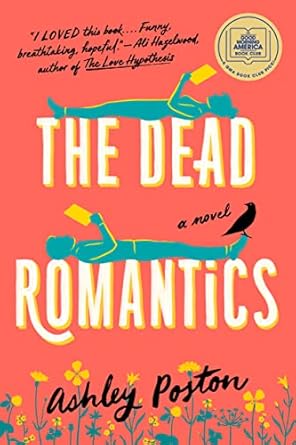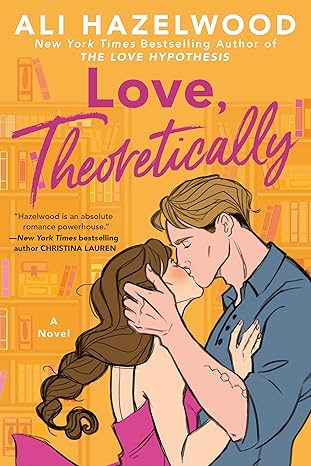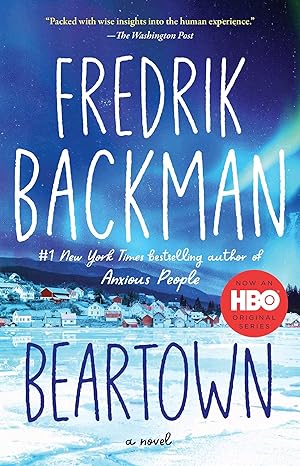
A few years ago I saw a young woman crying into a paperback on the morning train. I had a travel pack of tissues on me and cautiously slid one toward her the way you pass salt at dinner—practical, unceremonial, matter-of-fact. I didn’t want to embarrass her, or myself, so I looked away.
And in my best attempt at nonchalance I asked, “Is it the middle or the end?” After all, there are only two kinds of book-tears: the kind that soften you up, and the kind that undo you.
This list is for that question.
She laughed, took the tissue. “Only the middle,” she said. “But I’m not sure I’m going to make it to the end.” We rode the rest in quiet.
I’ve arranged these books from gentle to apocalyptic not because sadness is gradable, but because the right story at the wrong time could be malpractice. I’m not here to dare you—this isn’t CrossFit for feelings.
So, why did I select what I selected?
If books are going to cause emotional damage, they should do it responsibly. No cheap twists, no misery for spectacle. They should tell the story and allow the reader to feel what they feel without deliberately trying to press buttons.
If a novel tries to mug you in the last chapter, it’s not on this page—all plot twists must use their turn signal.
Readers have all kinds of reasons for searching out books that emotionally wreck them. Maybe you want found family that restores your faith in people. Maybe you want the long ache of almost-love. Maybe you need the hard book that ruins your week and quietly saves your year. All are here. None are chosen lightly.
All right. The train is pulling into the station. You’ve got your stop, I’ve got your stack. Step in where you like. But don’t rely on a stranger to carry your tissues.